Registered capital of a company and its contribution in China
The concept of registered capital is extremely broad and multifaceted. In simple terms, these are the assets that the founders are willing to invest to create a company and with which the company will bear liability.
These are not even always real assets – in the articles of association of a company, you can specify the term for the contribution of the registered capital of up to 30 years. It is not always money – the registered capital can be contributed with securities, copyrights, property, real estate, monetary obligations – almost anything.
We will not dwell on this specifically, since there is a looming danger of being overwhelmed by all this. Let’s imagine the simplest case – there is a WOFE (Wholly Owned Foreign Enterprise) with the registered capital partially contributed during registration and for some purpose more needs to be paid in.
Most often this is required for industries for which the declared capital 注册资本 (registered capital) is not enough, and 实收资本 (actually contributed capital) is required. You can declare as much as you like, set the contributing period at 30 years, but in fact, in many industries, you will not be issued some permits without actually contributed capital. Specifically, this document is called 出资证明书 (confirmation of the contribution of the registered capital), it is written on the company’s letterhead and is confirmed by banking or other organizations that have the right to confirm the value of assets.
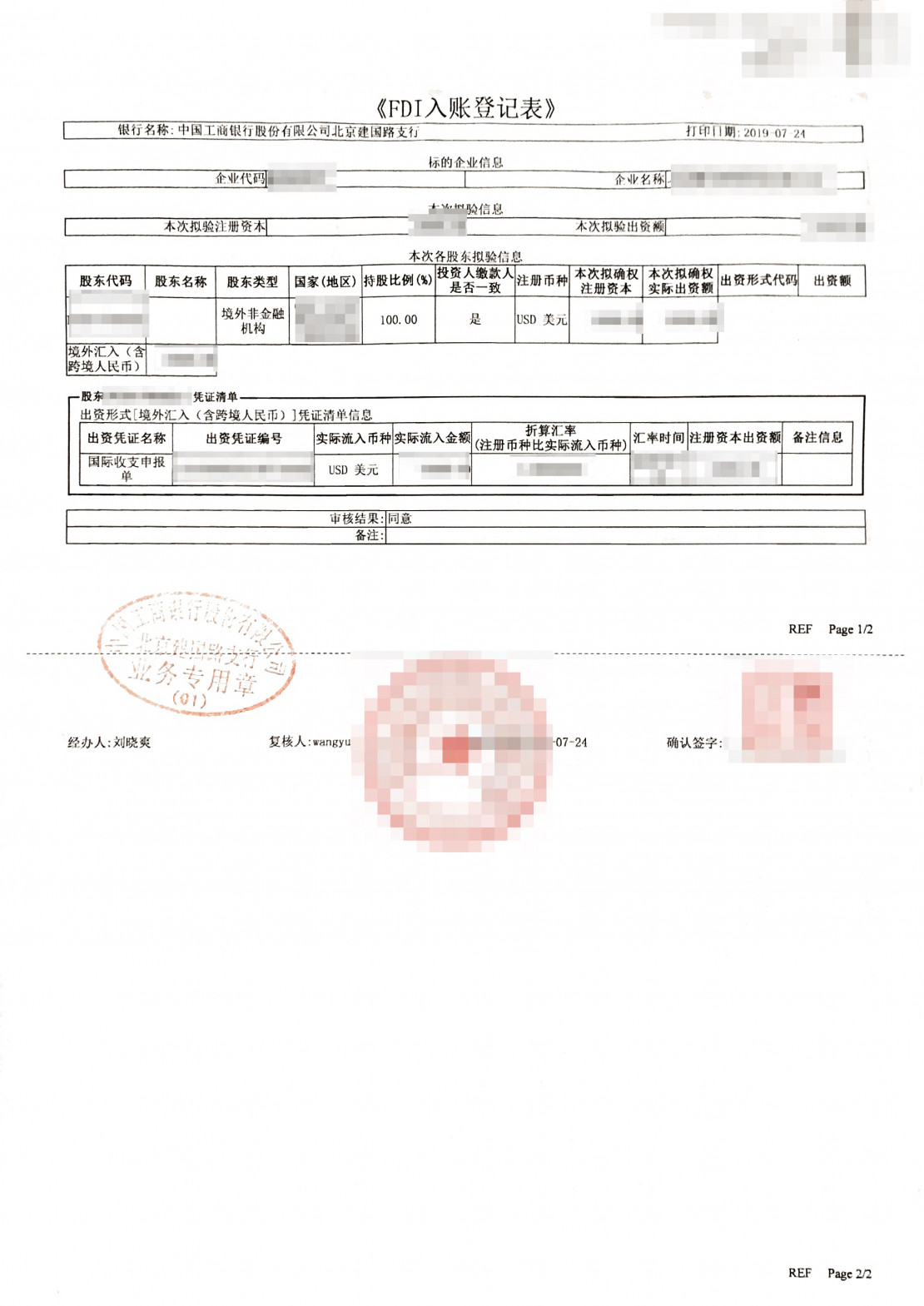
This is most often confirmed by the FDI入账登记表. FDI – Foreign Direct Investment. But we will return to this document at the very end, as the case at hand is simpler – assets are only monetary and their value does not need to be calculated and confirmed. Now, the input data:
Company A has a registered capital of 1,000,000 USD, currently 500,000 USD has been paid in. Another 300,000 needs to be contributed.
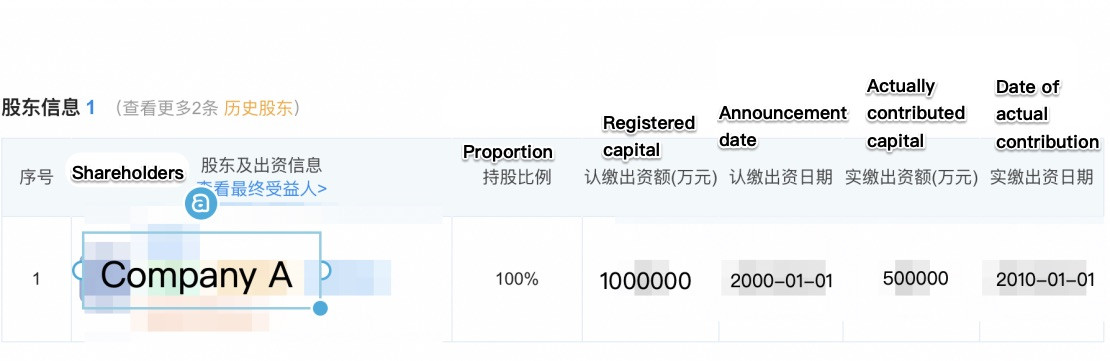
In order not to get confused in the future, let’s look at the main characteristics of the registered capital of a fictional Company A
The list of shareholders – everything is clear here. These are all those people/organizations/governments who contributed their share of the capital
The proportion is also clear. If the capital was contributed by more than a single person, that is to say, by several contributors, then the proportion will be in accord with this. For example, if it were written in the articles of association that Company A contributed 700,000 USD, and Jack Smith – 300,000 USD, then the proportion would be 70% to 30%
Registered capital – the amount that was indicated during the registration of the company and promised to be paid within a certain period
Announcement date – in fact, this is the date of registration of the company
Actually contributed capital – those assets that were transferred to the company as registered capital. It is this that we will increase.
The date of the actual contribution is also clear.
Accordingly, when registering a company with foreign capital and opening a corporate (对公) account, you will in fact open two accounts – a current account in yuan, from which you can pay for everything, receive money for services and goods, and so on. And 资金账户 – a capital account that serves solely to deposit the share capital for the WFOE.
So, the first step is to transfer money from the parent company account to the capital account of the Chinese WFOE. This is, in fact, an ordinary bank transfer, in which the only thing that needs to be indicated is the purpose of the payment – the contribution of the registered capital.
It is important to remember that the transfer can only be carried out by the parent company (or any other person who is a shareholder of the WFOE). Transfer from an account owned by others will be rejected and returned to the sender.
And second, the transfer currency must match the currency of the registered capital. If you declared the capital in USD in the articles of association, then transfers in euros/pounds/greyhound puppies will also be rejected and returned to the sender.
The money has arrived (usually when using SWIFT payments – after all, CIPS is still in its infancy – this requires from three to seven banking days) and you have got a call from the bank. The money is already in the capital account, but you cannot do anything with it. You need to go to the bank with the constituent documents and fill out a report form on funds received from abroad.
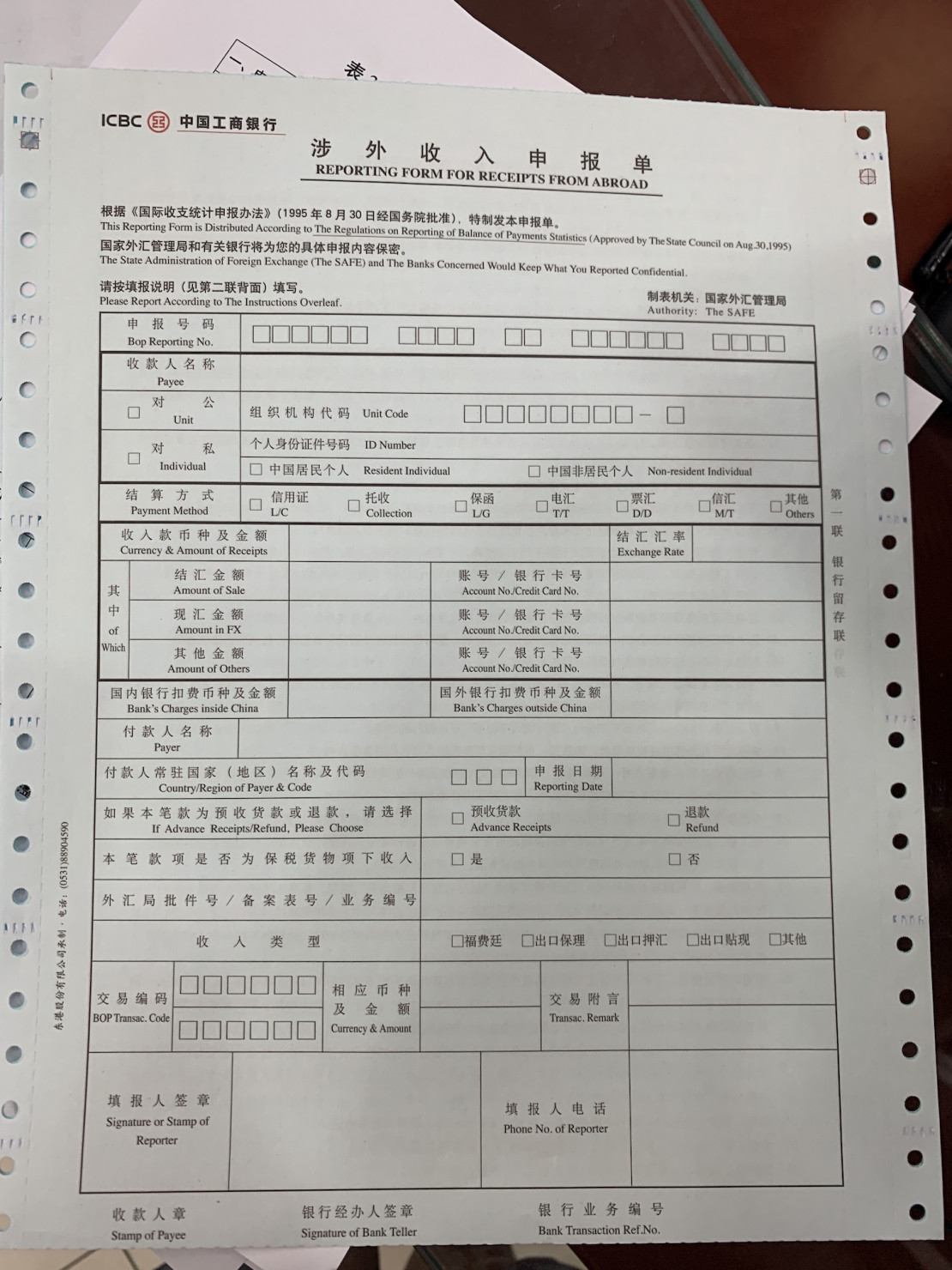
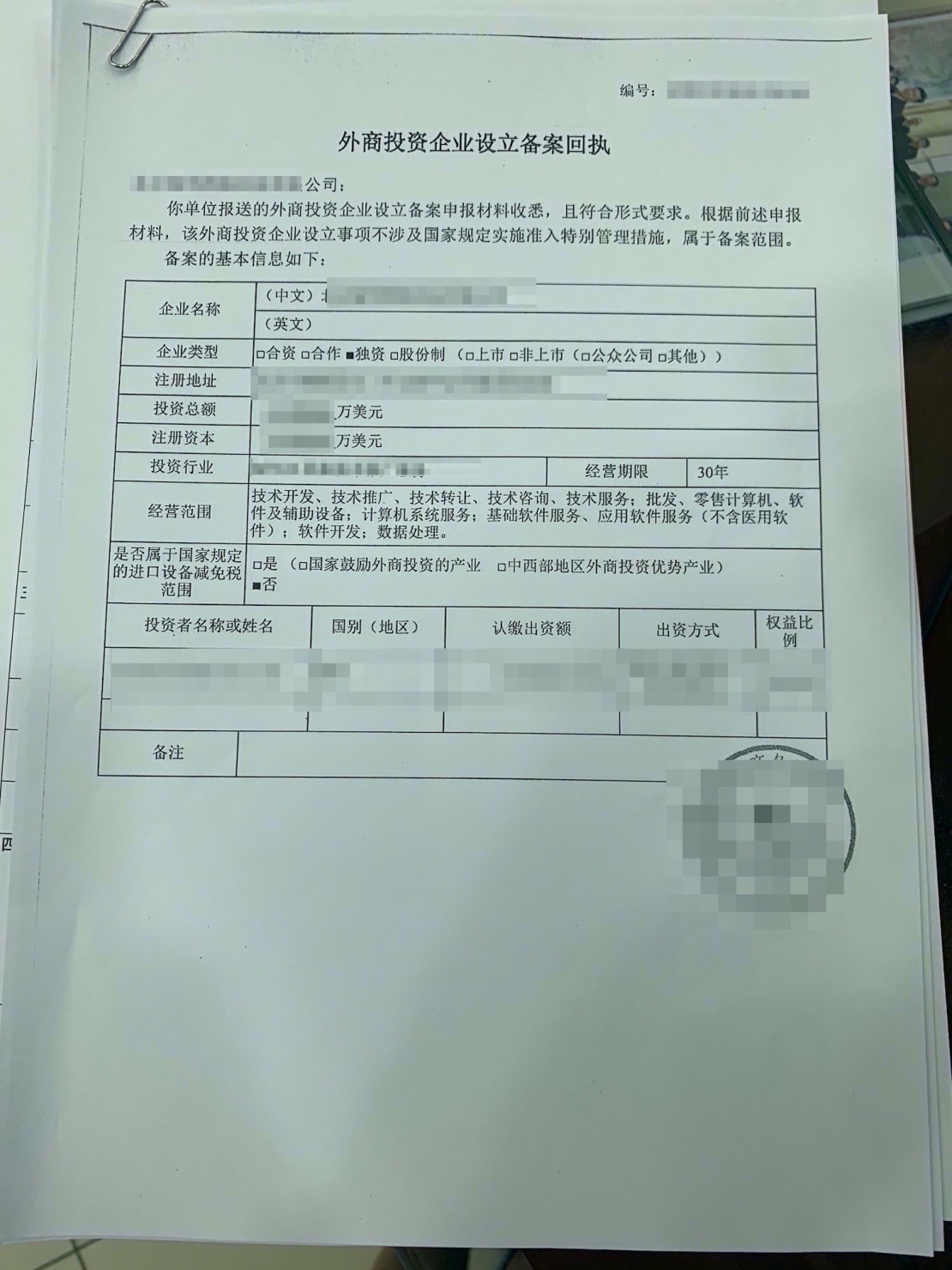
In fact, with this form, you simply report to the bank that you received the money, it will be used as a contribution to the registered capital, and you also indicate your data as the recipient of the payment. The next two documents are of utmost importance – despite their extremely unattractive appearance and the fact that they are photocopies. The first is a photocopy of the foreign exchange control approval certificate for a company with foreign investment (外商投资企业设立备案回执).
And the second – 业务登记凭证 – certificate of registration with foreign exchange control. Which indicates that this company is authorized to accept funds from abroad in foreign currency from its parent company.
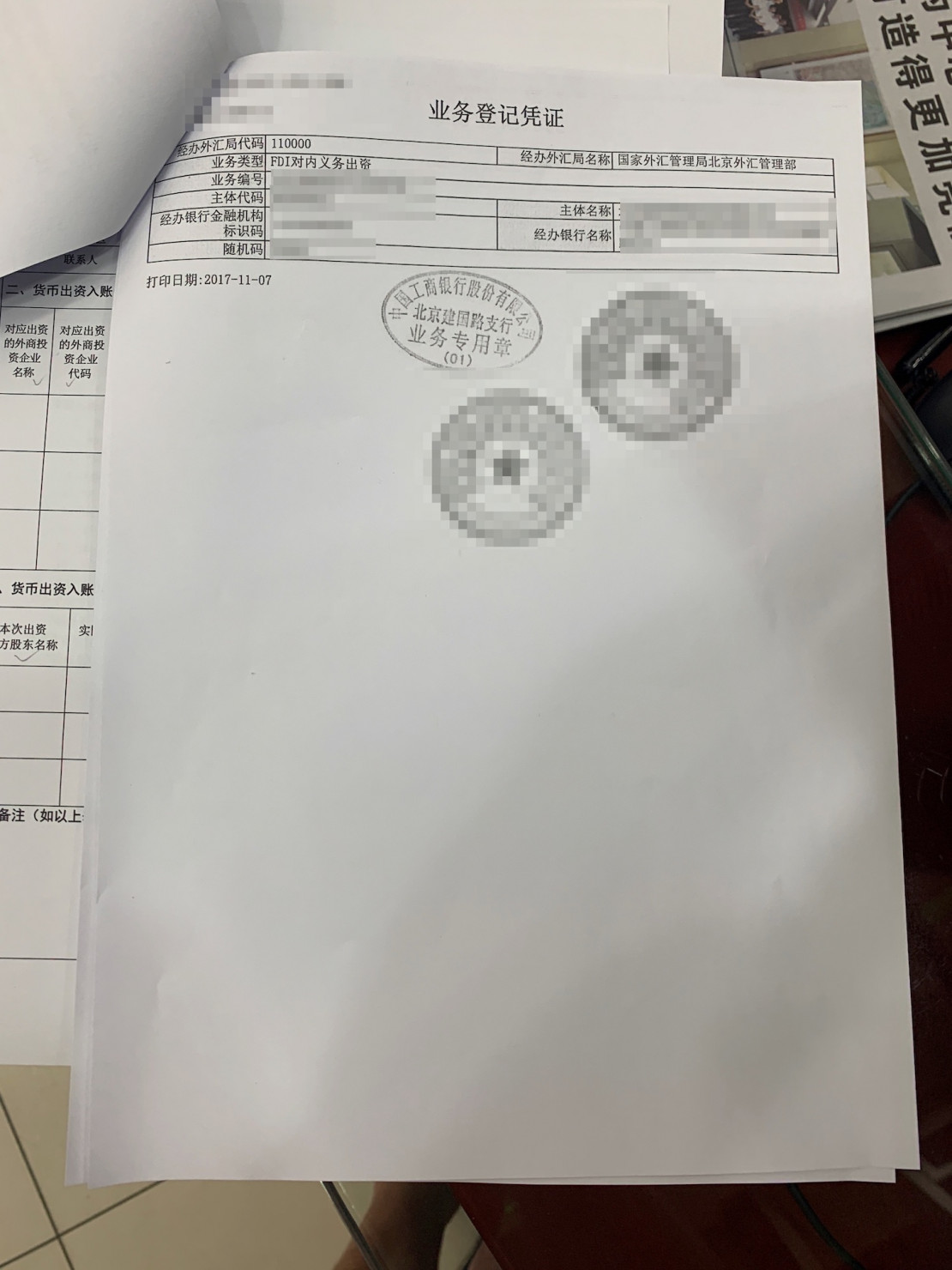
As elsewhere in China, the authenticity of the copy is ensured by the company’s seals affixed to it. Having done all this and having handed everything to the clerk, you just have to wait – and after about seven working days you will be called again from the bank and told that everything is alright.
Now you will need to go to the bank again and fill out the internal investment form – since the money is already inside the country, but so far in dollars (or another currency of the registered capital), you need to transfer it in yuan to your operating account. You then fill out the form 境内直接投资, where not the foreign parent company will act as a capital contributor, but yourself – after all, in the previous paragraphs, you legally received some money into your Chinese account of the Chinese company.
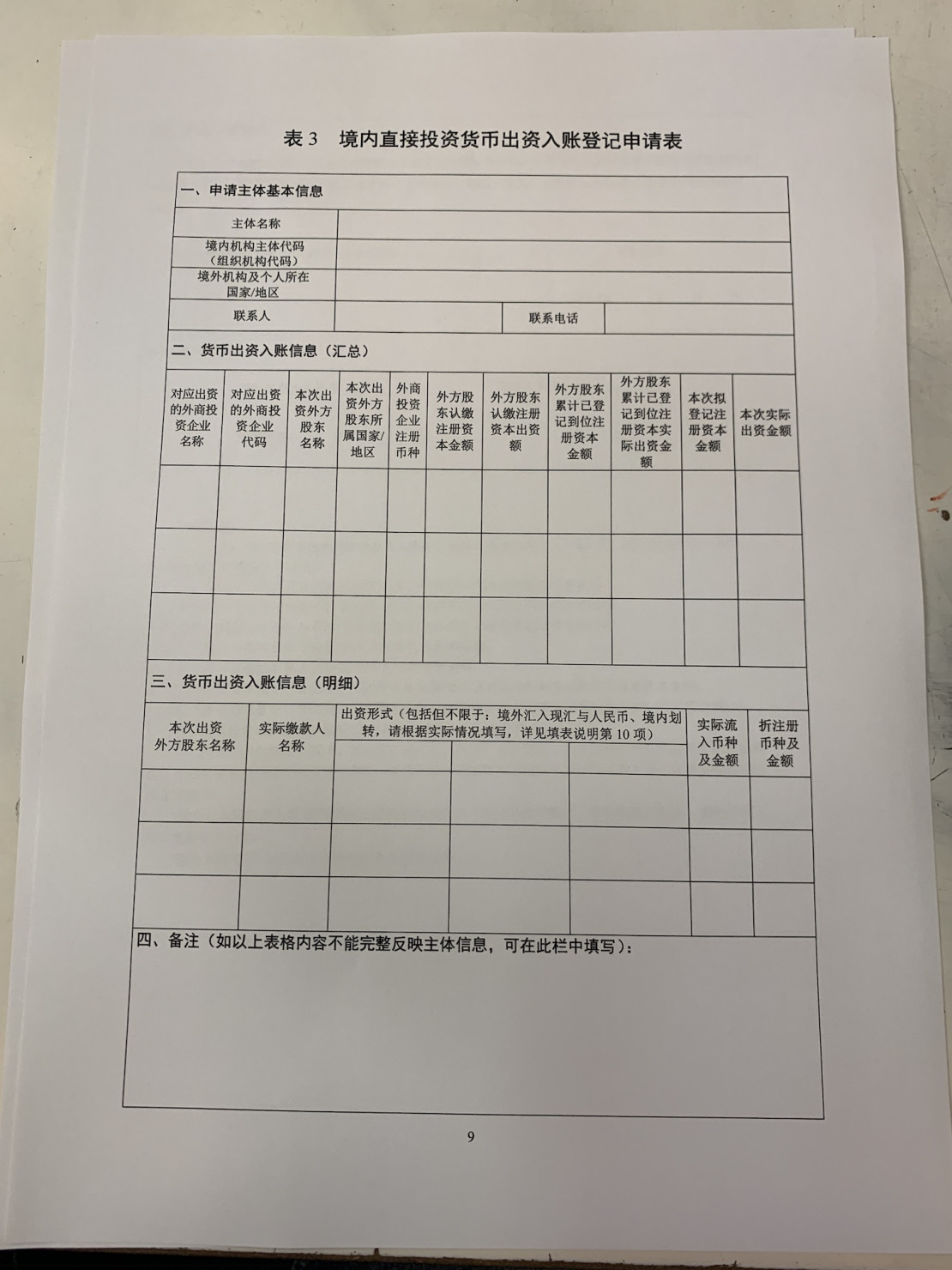
So this is, in fact, just the conversion of the incoming dollars into yuan, but since the account is corporate you cannot simply put money on it – this must be formalized as an investment.
The further steps are quite simple – after a few days you will finally receive an FDI certificate, and after a couple more days the yuans (at the exchange rate on the day of receiving the transfer, that is, waiting for the rate to grow to get more yuan is pointless) will be transferred to your current account and you will be able to use them. The registered capital and information about its contribution, as well as the amount of the actually contributed capital, will already be in this FDI.
That’s it – a piece of cake.